Why the XAG P150 Max is the Future of Australian Agriculture
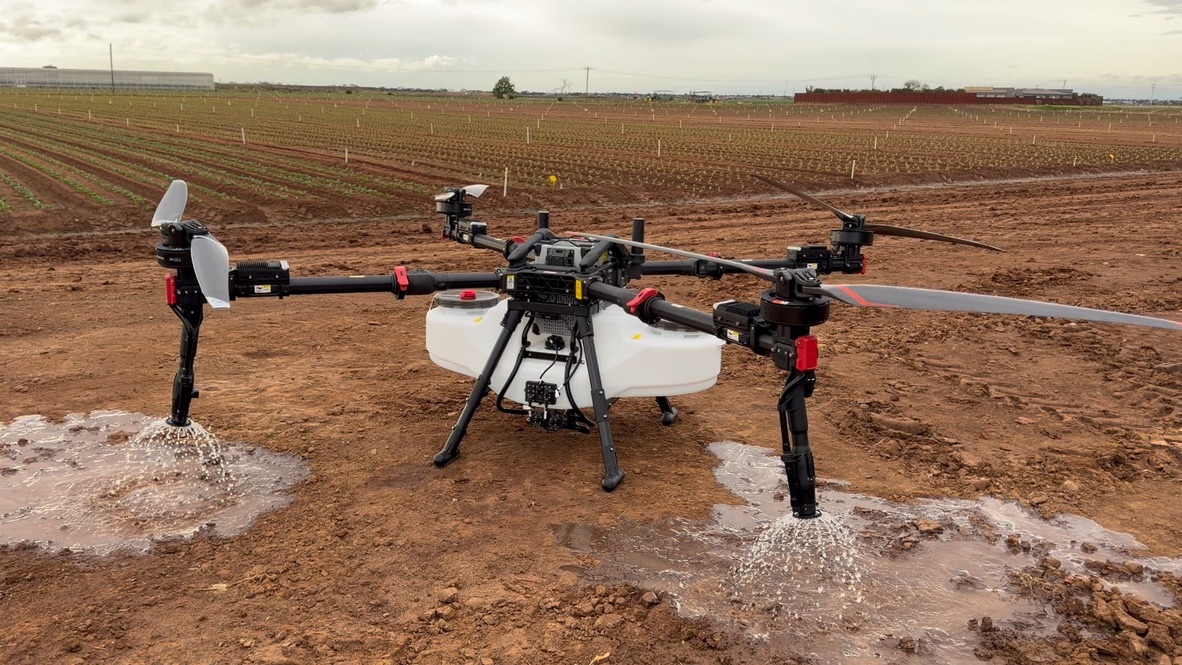
- One airframe handles spraying, spreading and mapping.
- Ag-drones reach waterlogged and steep ground a rig or plane can't.
- Flying a large ag-drone commercially needs the right RePL category.
- Growers are seeing real savings on chemical, water and compaction.
For decades, broadacre spraying meant a boom sprayer, a contractor's plane, or waiting for the paddock to dry out. The XAG P150 Max — and the generation of heavy-lift agricultural drones it represents — is quietly dismantling all three assumptions. For Australian growers wrestling with tight margins, labour shortages and unpredictable weather, that's a genuinely big deal.
Broadacre economics have changed
The value of an ag-drone isn't just 'a cheaper way to spray'. It's access. Drones spray waterlogged paddocks a ground rig would rut, treat steep or terraced ground safely, and get onto crops within hours of rain instead of days. Every day a pest or disease goes untreated is yield lost — and timeliness is where drones quietly outperform.
What the P150 Max actually does
The headline is versatility. A single P150 Max can be configured for liquid spraying, then swapped to spreading granules, seed or fertiliser, and it maps the field it's about to treat. That means variable-rate application driven by the drone's own survey data — the right amount of input, in the right place, without a separate mapping flight.
Spraying, spreading and mapping in one airframe
- Spraying: targeted application with reduced drift and precise swath control.
- Spreading: granular fertiliser, seed and even cover crops over difficult terrain.
- Mapping: onboard surveying to build the prescription before the tank is even filled.
Because nothing heavy rolls across the paddock, growers cut soil compaction — and precise application means less chemical and water down the drain.
The licensing you need to fly it commercially
This is where enthusiasm meets regulation. A P150 Max is far heavier than the sub-2kg toys the excluded category was written for, so flying one commercially requires the appropriate RePL category for the aircraft's weight class, along with the chemical-rating and operational approvals that come with agricultural work. It's very achievable — but it is training, not a purchase you can simply switch on.
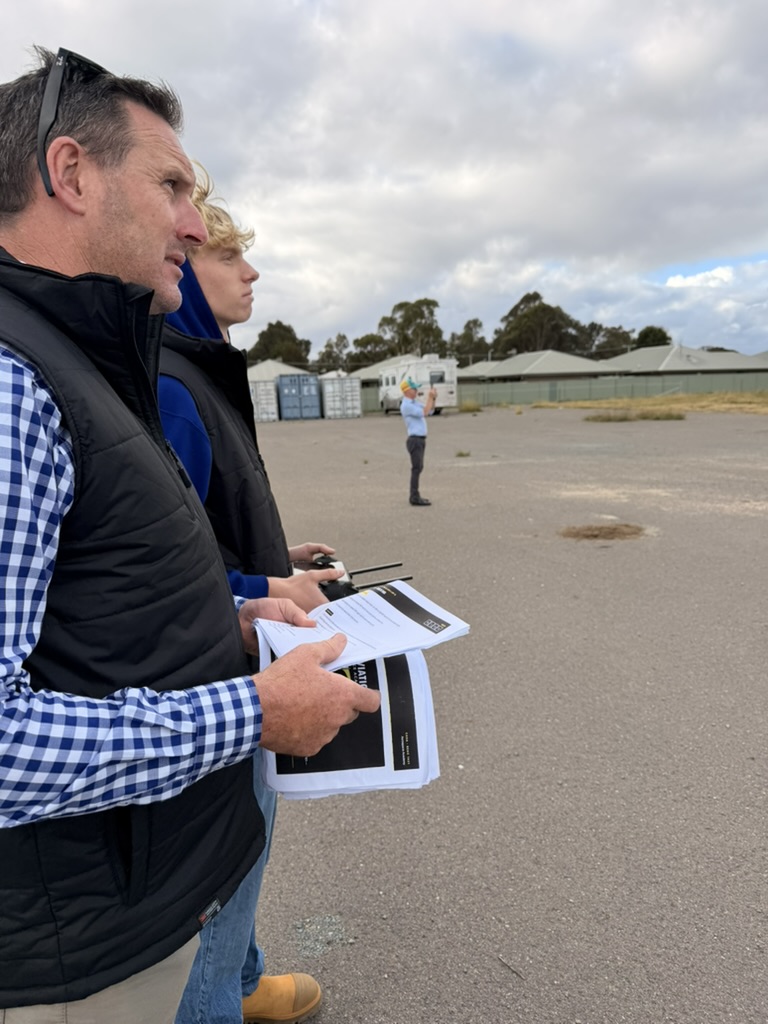
ACE Aviation runs dedicated XAG agricultural drone training, including the medium-category RePL pathway for heavy ag-drones.
Explore agricultural drone trainingROI: what growers are seeing
Operators report the machine paying for itself not through a single dramatic saving, but through a stack of them: fewer passes, lower input costs, less compaction, less reliance on scarce contractors, and the ability to act the moment conditions are right. For contractors, an ag-drone is also a new service line — spot spraying, spreading and mapping for neighbouring properties that don't want to own the gear.
Frequently asked questions
Heavy agricultural drones sit well outside the excluded category, so commercial and broadacre use generally requires the appropriate RePL weight category plus agricultural and chemical approvals. Always confirm your exact requirements with CASA and a training provider.
Written by the ACE Aviation team — CASA-approved instructors who have trained 4,000+ commercial drone pilots across Australia. Rules change; always confirm current requirements with CASA.
Start your drone career
Train with one of Australia's most experienced drone academies and build a pathway into real commercial operations.