Drone Flying Laws in Australia (2026): What Every Pilot Must Know
- Any drone flown for business or work must be registered with CASA — at any weight.
- Recreational flyers currently don't need to register, but must follow the safety rules.
- Commercial flying beyond the excluded category needs a Remote Pilot Licence (RePL).
- Stay under 120 m, keep 30 m from people, fly by day and within visual line of sight.
Drone technology keeps evolving, and so do the rules that govern it. In 2026, Australia's drone laws are clearer than they've ever been — but with that clarity comes real enforcement, with fines of up to $18,200 for flying an unregistered drone commercially. Whether you're just starting out or you've been flying for years, understanding what the Civil Aviation Safety Authority (CASA) actually requires is essential for your safety, everyone else's, and your legal standing.
What counts as a drone under Australian law
Australian law refers to drones as remotely piloted aircraft (RPA), regulated under Part 101 of the Civil Aviation Safety Regulations. What matters most legally isn't what you call the aircraft — it's why you're flying. CASA draws a hard line between recreational flying (for sport or fun), commercial flying (any flight for business or as part of your job, even if no money changes hands directly), and operations by government and emergency agencies, which run under their own approvals.
Who regulates drones in Australia
CASA is the national regulator for all civil aviation, drones included. It sets the safety rules, issues licences and certificates, runs the drone registration scheme through the myCASA portal, and enforces the rules — with help from the Australian Federal Police and state police, who can ask to see your registration.
Registration in 2026: who must register
This is the rule most often misquoted, so here it is straight from CASA's current guidance. If you fly your drone for business or as part of your job, you must register it — no matter how much it weighs. That covers selling aerial photos, inspecting equipment or construction sites, surveillance and security services, research, and anything else that isn't purely sport or recreation. If you only fly for fun, you do not currently need to register your drone — including micro drones under 250 g — though you must still follow the safety rules, and model aircraft over 25 kg need a specific approval.
- Registration is done online through myCASA and takes a few minutes.
- You must be at least 16 years old to register a drone.
- Registration is valid for 12 months and must be renewed.
- Drones 500 g or less are free to register; heavier drones attract a $40 levy each.
- Flying an unregistered drone for work can attract a fine of up to $18,200.
Registration thresholds, fees and accreditation requirements are updated by CASA from time to time. Confirm the current requirements at casa.gov.au before you fly — especially if you're moving from recreational to paid work.
Licensing: when you need a RePL
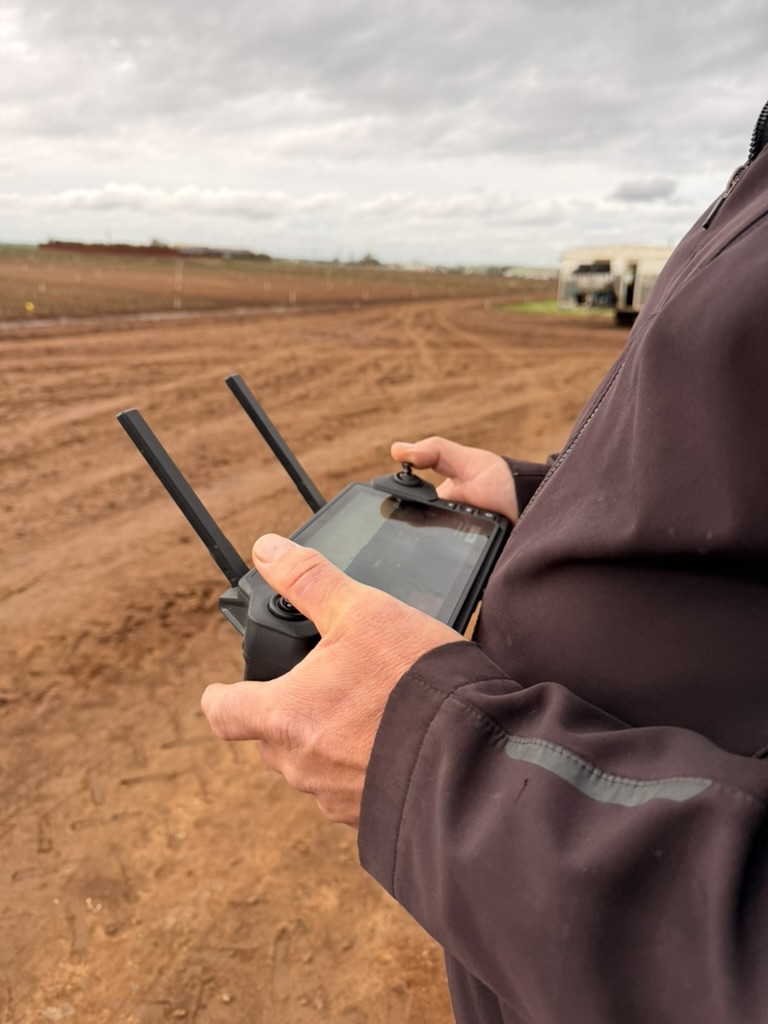
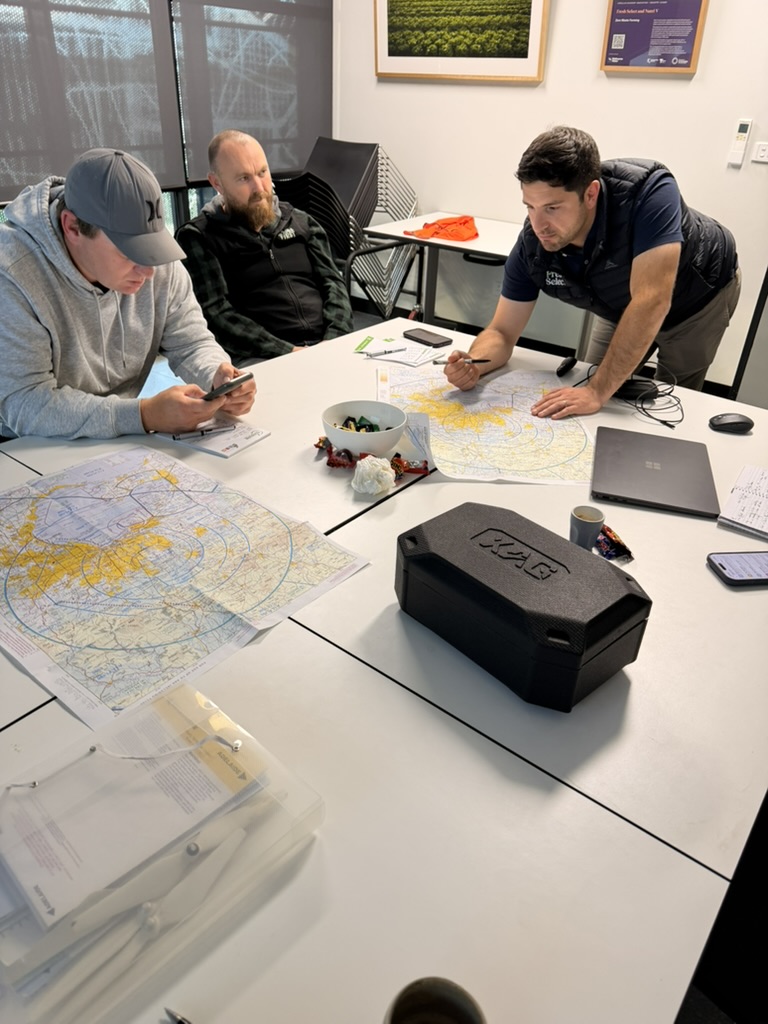
Recreational pilots don't need a licence. For paid work, CASA offers two paths. The excluded category lets you fly very small drones (sub-2 kg) commercially with just an operator accreditation and registration — but only inside strict standard operating conditions. For everything beyond that — heavier aircraft, more complex operations, and most professional work — you need a Remote Pilot Licence (RePL) earned through a CASA-certified training provider. RePL training covers flight safety, airspace, maintenance, air law and emergency procedures, with both theory and assessed practical flying. Add an Aeronautical Radio Operator Certificate (AROC) and you can also operate on aviation radio near controlled aerodromes.
Not sure whether the excluded category, a RePL or a full ReOC fits your plans? Start with the licence that matches the work you actually want to do.
Find your licence in 2 minutesWhere you can and can't fly
The standard operating conditions apply everywhere in Australia. Keep your drone at least 30 metres from people who aren't part of your operation, and never fly directly over them. Stay out of restricted airspace — near airports, aerodromes, military zones and emergency operations — and respect local rules in national parks. Fly only during daylight, one drone at a time, and never in a way that creates a hazard to aircraft, people or property.
The 120-metre ceiling and visual line of sight
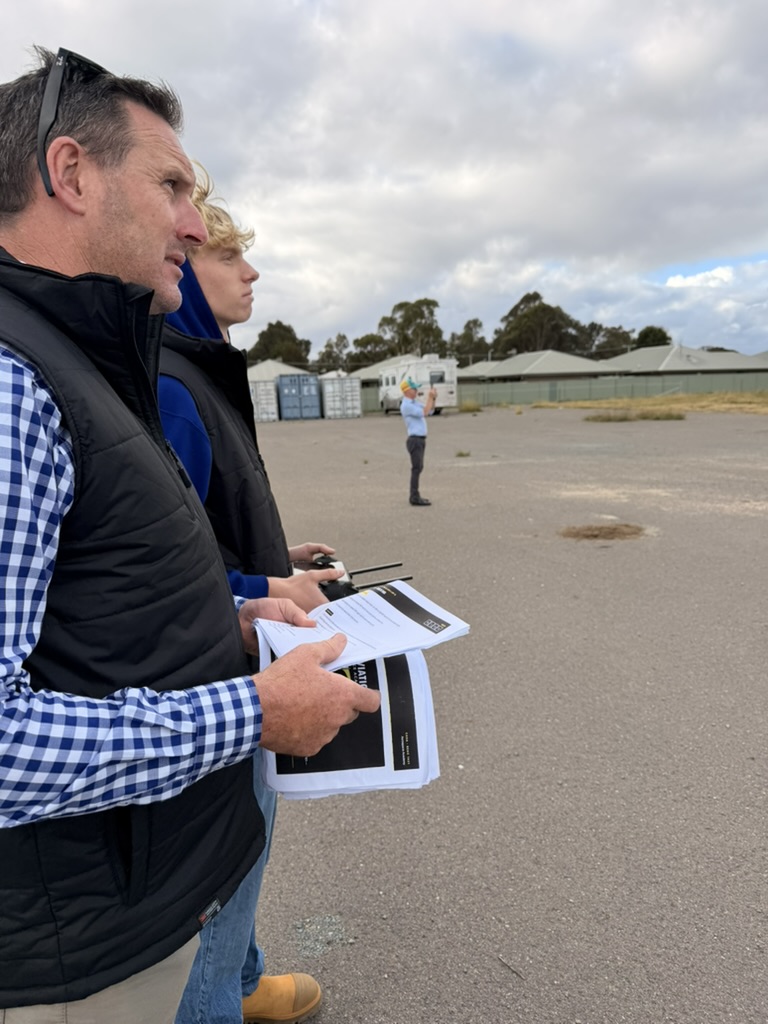
The maximum altitude is 120 metres (400 feet) above ground level — a buffer that keeps drones clear of crewed aircraft. You must also keep your drone within visual line of sight at all times, with your own eyes rather than a screen or goggles. Flying beyond visual line of sight (BVLOS), at night, or above 120 m is possible, but only for appropriately licensed pilots operating with specific CASA approvals — capabilities that come with advanced training.
What happens if you break the rules
CASA enforcement is real: fines apply per offence, and serious breaches — endangering aircraft, flying in emergency zones — can bring prosecution. Just as importantly for professionals, a compliance history follows your business. Clients, insurers and tender panels increasingly ask about it. Flying legally isn't just about avoiding fines; it's the foundation of a credible drone career, and licensed pilots are exactly who employers are hiring right now.
Ready to fly commercially — and legally? ACE Aviation's CASA-certified RePL training runs in Brisbane, Sydney, Melbourne, Perth and beyond, with AROC and advanced pathways included in most packages.
Explore RePL training near youFrequently asked questions
If you fly for business or as part of your job, yes — every drone must be registered with CASA regardless of weight, with a $40 levy for drones over 500 g. If you only fly recreationally, you do not currently need to register, but you must still follow the drone safety rules. Check casa.gov.au for the latest requirements.
Written by the ACE Aviation team — CASA-approved instructors who have trained 4,000+ commercial drone pilots across Australia. Rules change; always confirm current requirements with CASA.
Start your drone career
Train with one of Australia's most experienced drone academies and build a pathway into real commercial operations.