Why Excluded Category Drone Operations May Be Holding Your Business Back
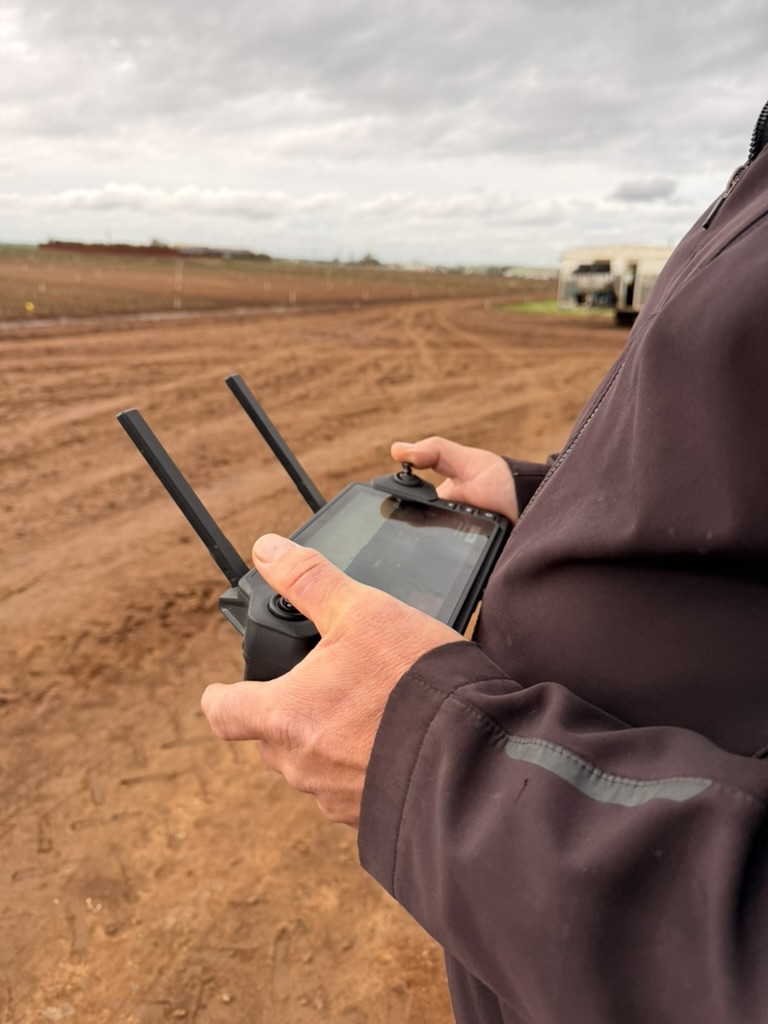
- Excluded category lets you earn without a RePL — within strict limits.
- Sub-2kg and the standard operating conditions rule out many high-value jobs.
- Serious clients, tenders and insurers increasingly ask for a RePL and ReOC.
- Upgrading unlocks controlled airspace, night ops and larger aircraft.
For a new operator, CASA's excluded category is a gift: register your drone, pass your operator accreditation, follow the standard operating conditions, and you can legally take paid work with a sub-2kg aircraft. It's the on-ramp thousands of Australian drone businesses started on. But the same simplicity that makes it easy to enter is exactly what caps your growth — and many operators don't notice the ceiling until they're bidding against it.
What 'excluded category' actually means
Excluded category operations are commercial flights that don't require a Remote Pilot Licence (RePL) or a Remote Operator's Certificate (ReOC), provided you stay inside a defined box. In practice that box means a very small aircraft, visual line of sight, daytime only, below 120m, well clear of people, and away from controlled airspace and aerodromes. Stay inside the lines and CASA lets you trade. Step outside — even once — and you're operating illegally.
The jobs you can't legally quote
The problem is that the most profitable work tends to live outside the box. Consider what the standard operating conditions quietly rule out:
- Roof, façade and tower inspections that need to fly closer to structures and people.
- Any job inside controlled airspace or near a busy aerodrome — most capital-city CBDs.
- Night operations for events, security or thermal inspections.
- Larger, more capable aircraft above 2kg for lift, endurance or payload.
- Beyond visual line of sight surveys over farms, pipelines and corridors.
Each of those exclusions is a category of revenue you simply cannot invoice for while you stay excluded — no matter how good your flying is.
Insurance, tenders and the trust problem
There's a second, quieter ceiling. Commercial clients, government tenders and insurers increasingly treat a RePL — and a ReOC for the business — as the baseline for 'serious operator'. When a facilities manager or a councils' procurement team compares two quotes, the licensed operator with documented procedures wins the contract and the higher day rate. Excluded-category status can price you out of the very clients worth chasing.
When it's time to move up to a RePL and ReOC
If you're turning down enquiries, sub-contracting the good jobs to licensed pilots, or watching tenders ask for credentials you don't have, the maths has already tipped. A RePL removes the aircraft-size and operating-condition handcuffs; a ReOC lets your business hold its own approvals and employ RePL pilots. Together they convert a side hustle into a company that can grow.
Not sure whether you need a RePL, a ReOC, or both? Our guide breaks down exactly who needs which.
Read: The Ultimate Guide to ReOC in AustraliaThe upgrade path (and how long it takes)
The good news is the jump is smaller than most people fear. A RePL blends online theory with a few practical flight days, and many operators are licensed within a couple of weeks. From there, a ReOC is a documentation and operations-manual exercise that ACE Aviation supports you through end to end. The ceiling that's holding your business back is usually only a fortnight away.
Written by the ACE Aviation team — CASA-approved instructors who have trained 4,000+ commercial drone pilots across Australia. Rules change; always confirm current requirements with CASA.
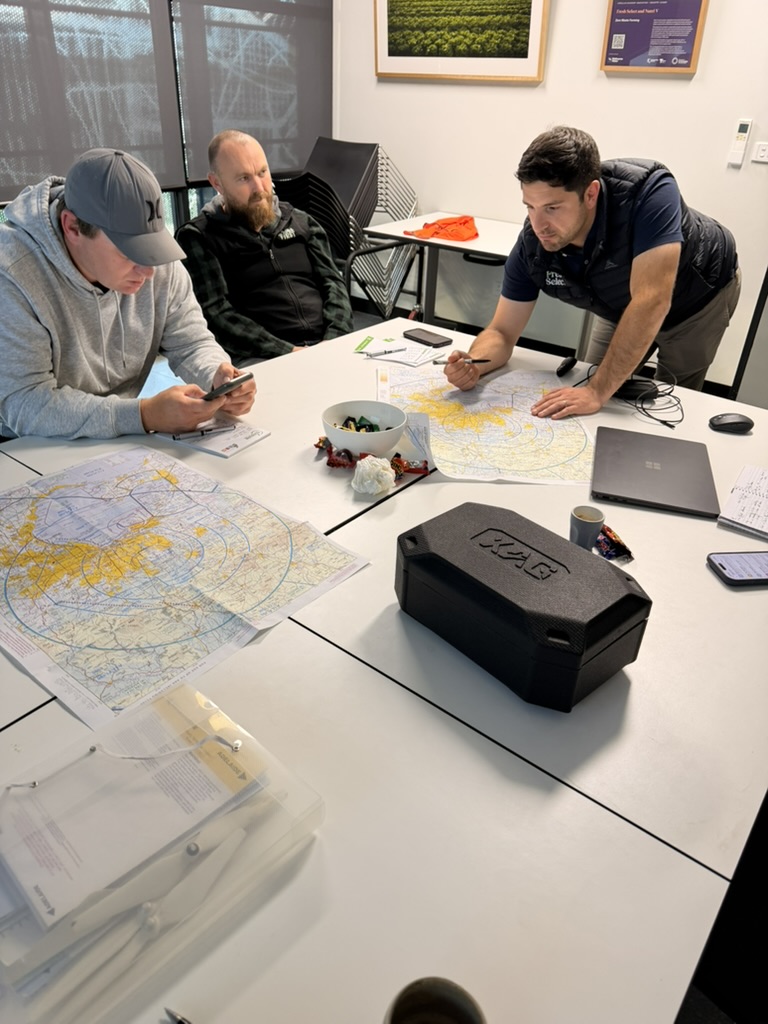
Start your drone career
Train with one of Australia's most experienced drone academies and build a pathway into real commercial operations.