The Future Shouldn't Depend on Your Postcode

- A student's postcode should never determine their access to the future — Leonora DHS is proving it.
- Hands-on beats theory: dismantling a real phone or commanding a real drone turns technology from something abstract into something achievable.
- Drone lessons double as workplace training — checklists, hazard identification, risk assessment and team communication transfer straight into mining, agriculture and emergency services.
- Curiosity becomes capability, capability becomes a qualification, and a qualification can transform a life.
What does the classroom of the future look like? At Leonora District High School, in the heart of Western Australia's Goldfields, it doesn't necessarily look like a classroom at all.
It can look like a mobile phone carefully dismantled across a workbench. It can look like a drone waiting on a landing pad while students complete a pre-flight checklist. It can look like a simulated collapsed mine site, where a team must navigate an aircraft through obstacles to locate the people trapped inside. And one day, it could look like a weather balloon rising high above the Goldfields, carrying sensors designed, launched and monitored by school students.
A student's postcode should never determine their access to the future.
— Mohamed Youssef, Principal — Leonora District High School
That belief drives Mohamed Youssef, Principal of Leonora District High School. Through a collaboration with ACE Aviation and ACE NextLab, Leonora DHS has been exploring a model of future-focused education that combines STEM, drones, artificial intelligence, electronics, aviation and hands-on vocational skills — and it starts by making learning something students genuinely want to experience.

From Learning About Technology to Actually Using It
Across Australia, industries are transforming. Mining is becoming automated. Agriculture is becoming data-driven. Aviation is expanding into remotely piloted systems. Artificial intelligence is reshaping how information is processed and how problems are solved. Students hear about this constantly — but there is an enormous difference between hearing about technology and experiencing it.
Instead of asking “how can we teach students about technology?”, the better question becomes: how can we put technology directly into their hands and give them a reason to understand it?
Give a Student a Phone — Then Ask Them to Take It Apart
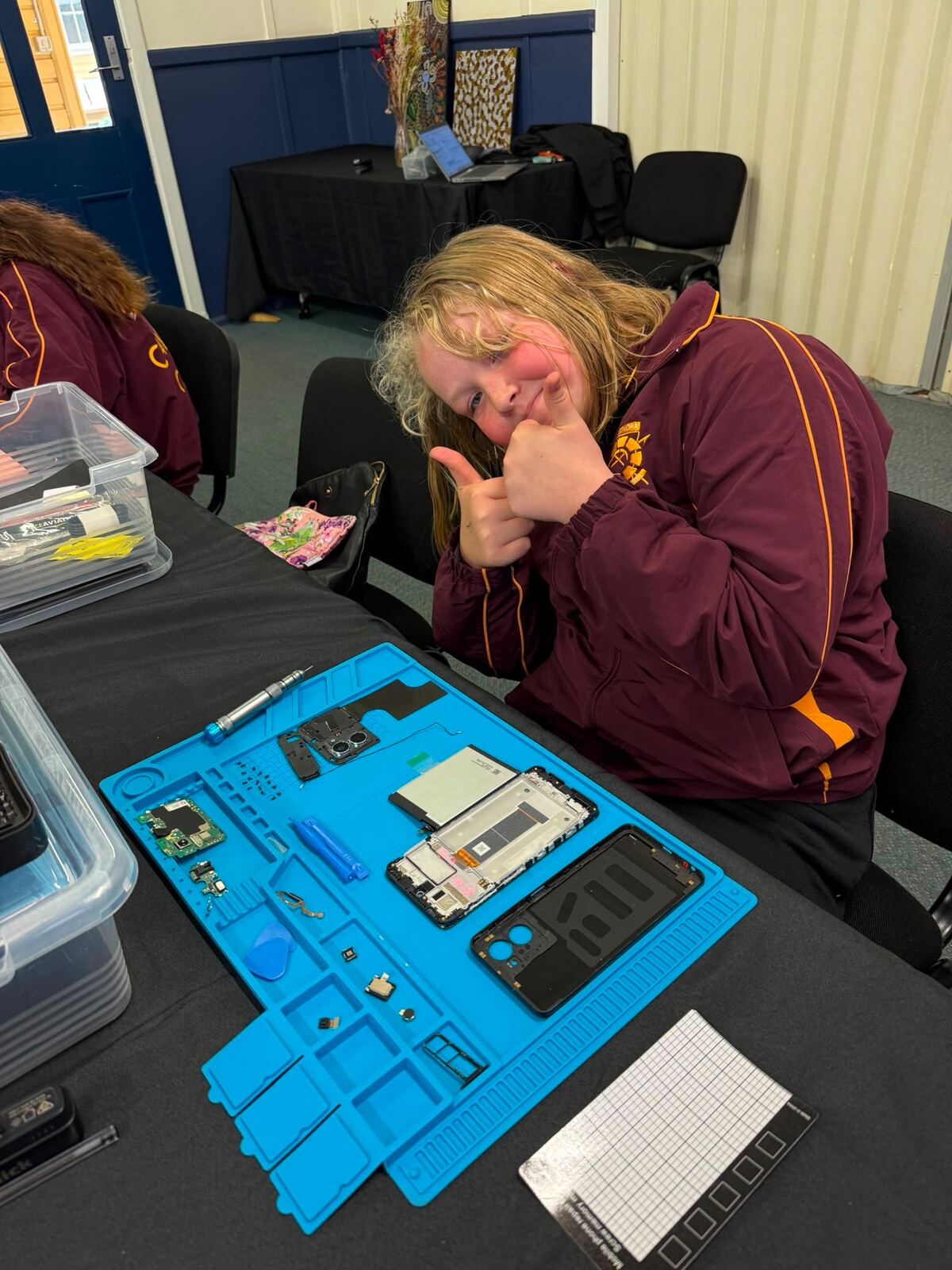
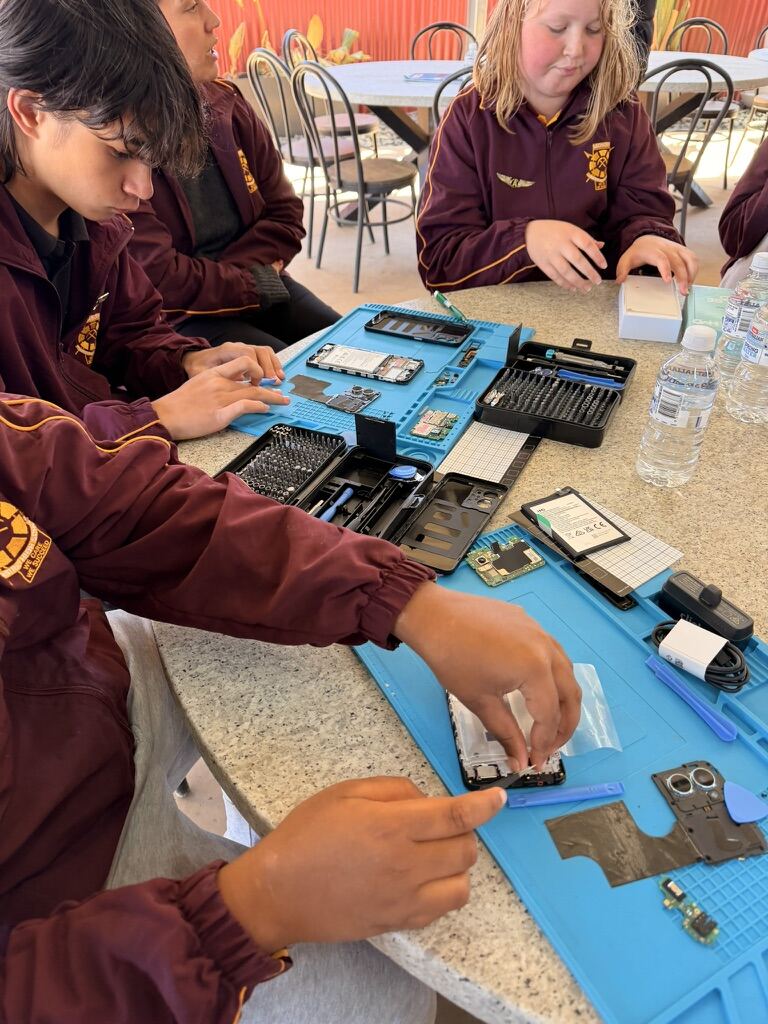
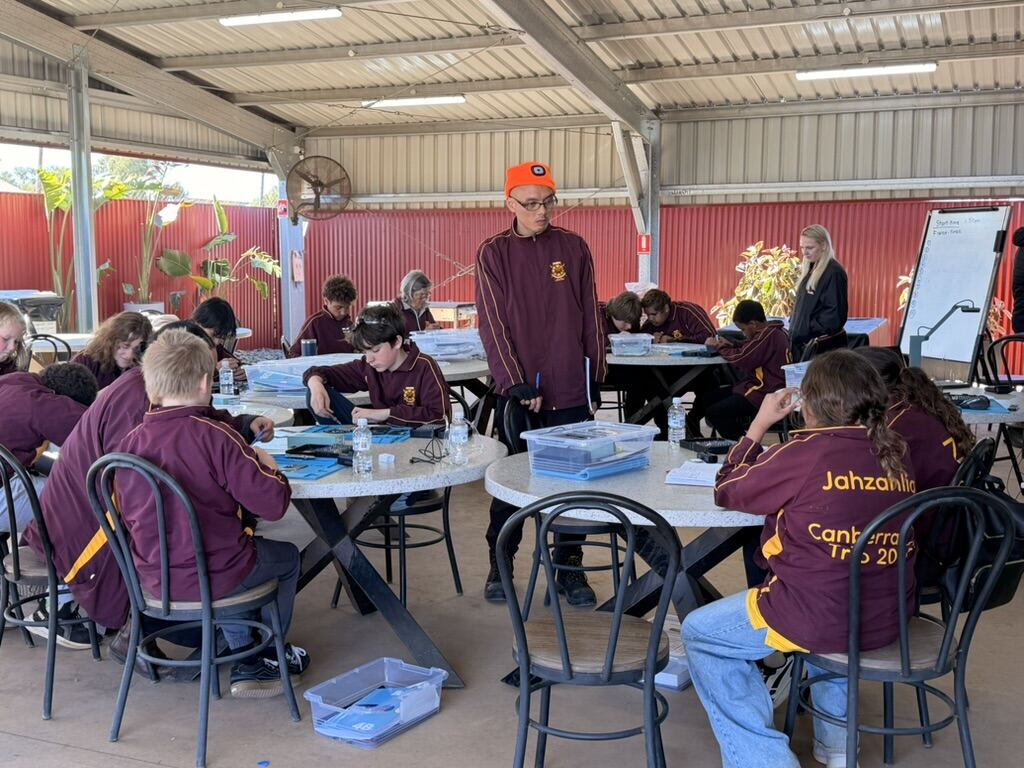
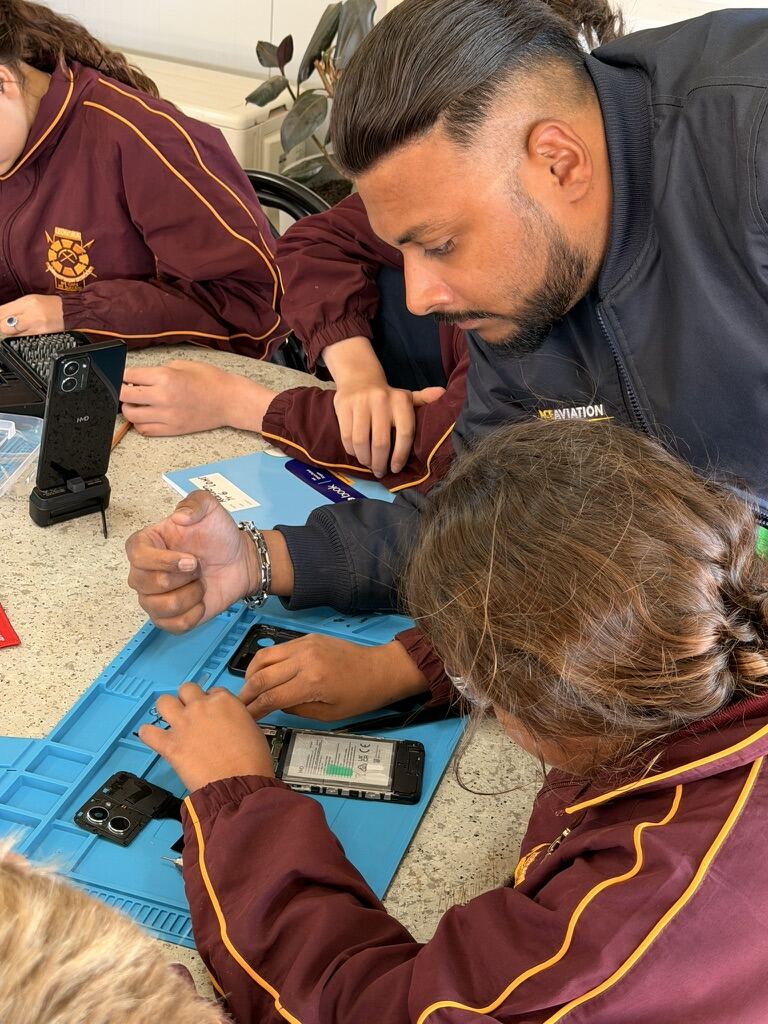
Every teenager recognises a smartphone. Very few have ever opened one. At Leonora DHS, students dismantled real devices — screens, batteries, connectors, boards — then worked through what each component does and how it all fits back together.

Suddenly electronics isn't a diagram on a whiteboard. It's something you investigate with your own hands, where mistakes are part of the process. The moment a device comes back together and powers on, something shifts: “I didn't know I could do that.” That sentence is where confidence starts.

Then Put Them in Command of a Drone
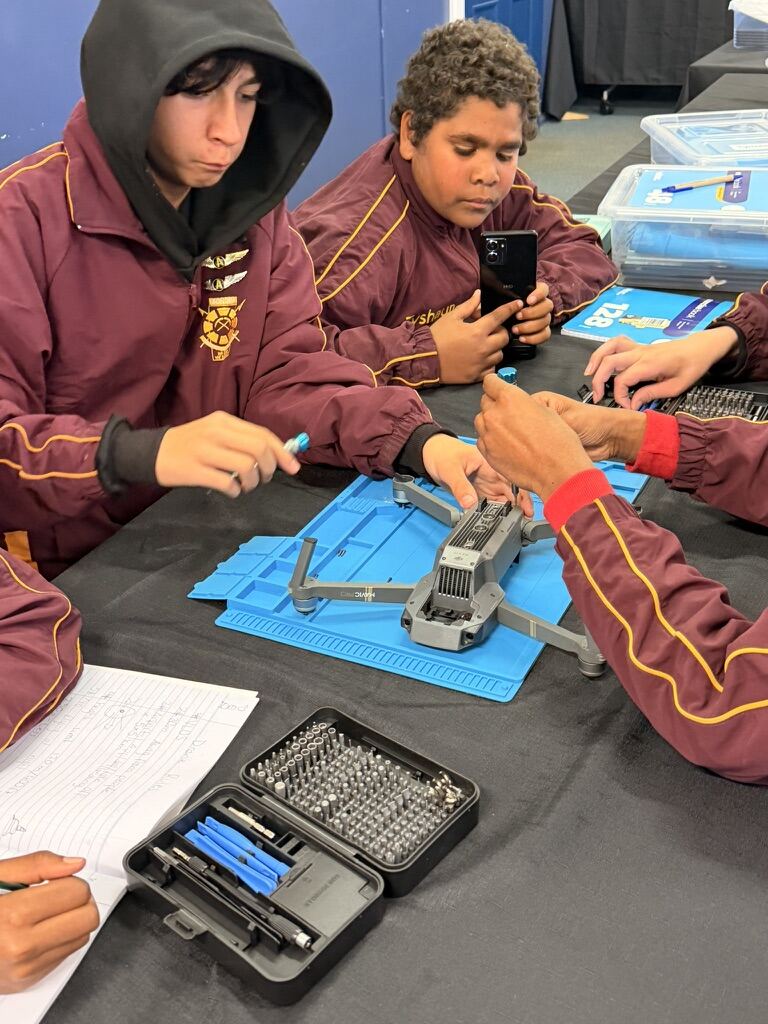
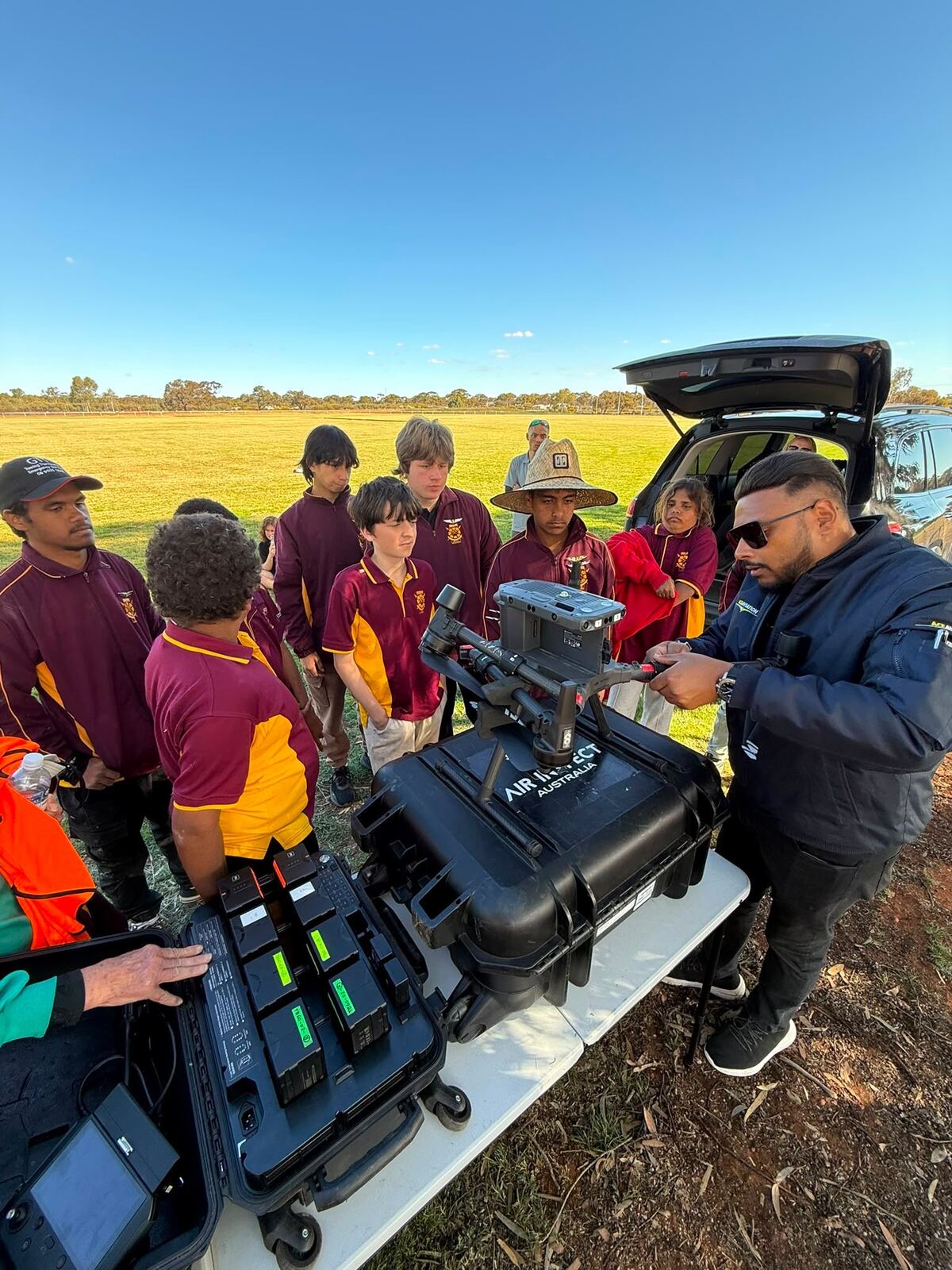
Fourteen students took part in drone training — and it began long before take-off, because operating an aircraft starts with responsibility. Before flying, students worked through:
- Pre-flight checklists
- Standard operating conditions
- Job safety assessments
- Hazard identification
- Risk assessment
- Team communication and accountability
These aren't just aviation skills. They're workplace skills — the same thinking used on mine sites, farms, construction projects and emergency operations across WA. The drone is the hook; the discipline is the lesson.

When the Lesson Becomes a Mission
Knowing how to fly is one thing. Understanding why you're flying is another. So the training became a scenario.
A mine site has collapsed. There may be people trapped inside. Sending another person in could put more lives at risk. The team has a remotely piloted aircraft — navigate the simulated mine, inspect the environment and locate those inside. But some sections are unstable. Clip the wrong one, and the mine collapses further.
Now the student isn't flying for entertainment. They're planning, communicating, controlling the aircraft under pressure, managing risk and adapting when things change. The game becomes a scenario. The scenario becomes problem-solving. And problem-solving becomes education.
Why This Matters in the Goldfields
Leonora sits in a region built on mining, agriculture and vast distances. Mining already relies on surveying, mapping and automated inspection. Agriculture increasingly uses aerial imaging and precision data. Emergency services use drones for search and rescue. Environmental teams use them for monitoring and analysis. These aren't technologies from a distant future — they're already part of the industries surrounding these students.
The opportunity isn't just to watch that technology roll past. It's to operate it, understand it, question it — and eventually create it.
Regional Australia Shouldn't Have to Play Catch-Up
There's a quiet assumption in this country that technology starts in the cities and reaches the regions later. But why can't students in Leonora experiment with drones, AI and electronics at the same time as students in Perth, Sydney or Melbourne? Why couldn't regional Australia pioneer some of these ideas instead of inheriting them?
The objective isn't to help regional students catch up. It's to give them the opportunity to participate — and to lead.
Imagine Every Regional School as a Technology Station
Drones and electronics may only be the beginning. The next idea on the table: student-launched weather balloons. Students would select sensors, build the payload, study the weather, plan the launch, track the flight, recover the equipment, download the data and analyse it with AI tools.
Now scale that thought. Multiple regional schools, each launching, each collecting atmospheric data, each contributing to genuine citizen science. School stops being a place where knowledge is only received — it becomes a place where knowledge is created.
AI Changes the Urgency
Artificial intelligence is transforming industries in months, not decades. No school can teach every system a student will ever encounter — the tools will change too fast. What education can build is the capacity to learn tomorrow's technology: curiosity, adaptability, critical thinking, digital literacy, problem-solving, teamwork, accountability and confidence. Those are exactly the skills a phone teardown, a drone mission and a data project exercise.
From Inspiration to Qualification
There's a difference between a fun technology day and a pathway. The drone program introduces aviation and remote operations. The phone teardown introduces electronics and repair. The AI tools introduce data and computing. The mine-rescue mission introduces risk management. The balloon project would introduce atmospheric science. Each one connects to real vocational training and real careers.
Curiosity becomes capability. Capability becomes a qualification. A qualification becomes employment. And employment can transform a life.
This Is Bigger Than Technology
The most important part of this story isn't the drones, the phones, the AI or the balloons. It's the moment a young person discovers that technology isn't reserved for somebody else — someone older, somewhere bigger, from somewhere wealthier.
Handing a student real equipment says: we trust you with this. We believe you can understand this. We believe you can be part of this future. That confidence may be the most valuable thing education can create.

The Principal Who Chose Not to Wait
None of this happens automatically. It takes leadership willing to try something different — and at Leonora DHS, that leadership comes from Principal Mohamed Youssef and a school community that believes regional and remote students deserve future-focused education today. Not once the technology is old news in the city. Now.
Fourteen Students Today. A Generation Tomorrow.
It begins with fourteen students learning to fly, repair, assess risk, follow procedures, communicate and take responsibility — and to approach unfamiliar technology without being intimidated by it. Wherever they end up — mining, engineering, aviation, agriculture, emergency services, robotics, AI, or an industry that doesn't exist yet — their first reaction to sophisticated technology won't be “that's too complicated for me.” It will be “I've done things like this before. Let me figure it out.”

Regional Australia doesn't need to wait for innovation to arrive. Its young people can operate it, understand it, experiment with it — and eventually create it. For Mohamed Youssef and his students, this is only the beginning. Because the future shouldn't depend on your postcode — and in Leonora, the future isn't something students are told about. It's something they're being given the chance to build.
The Full Gallery: A Day at Leonora DHS
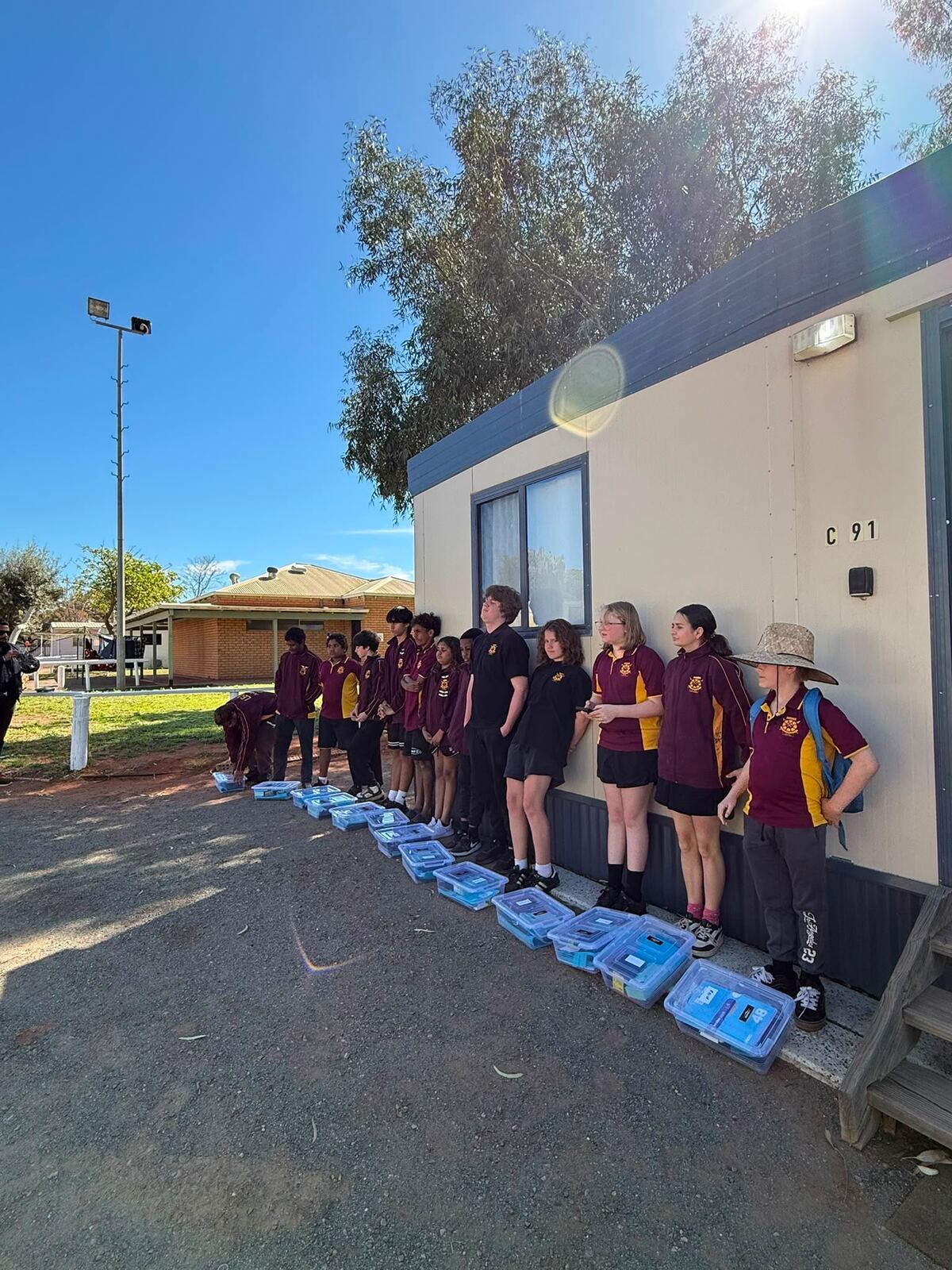
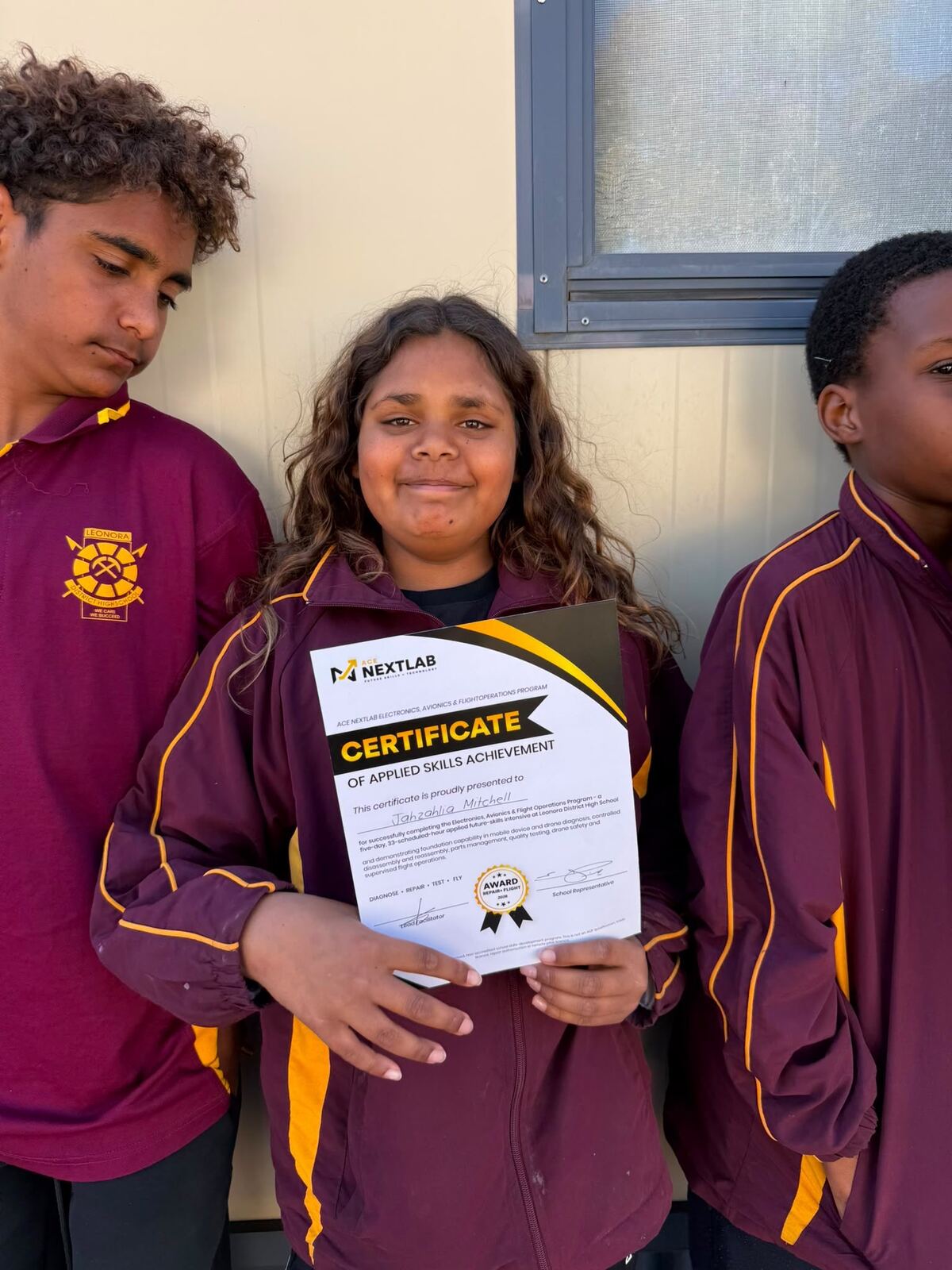
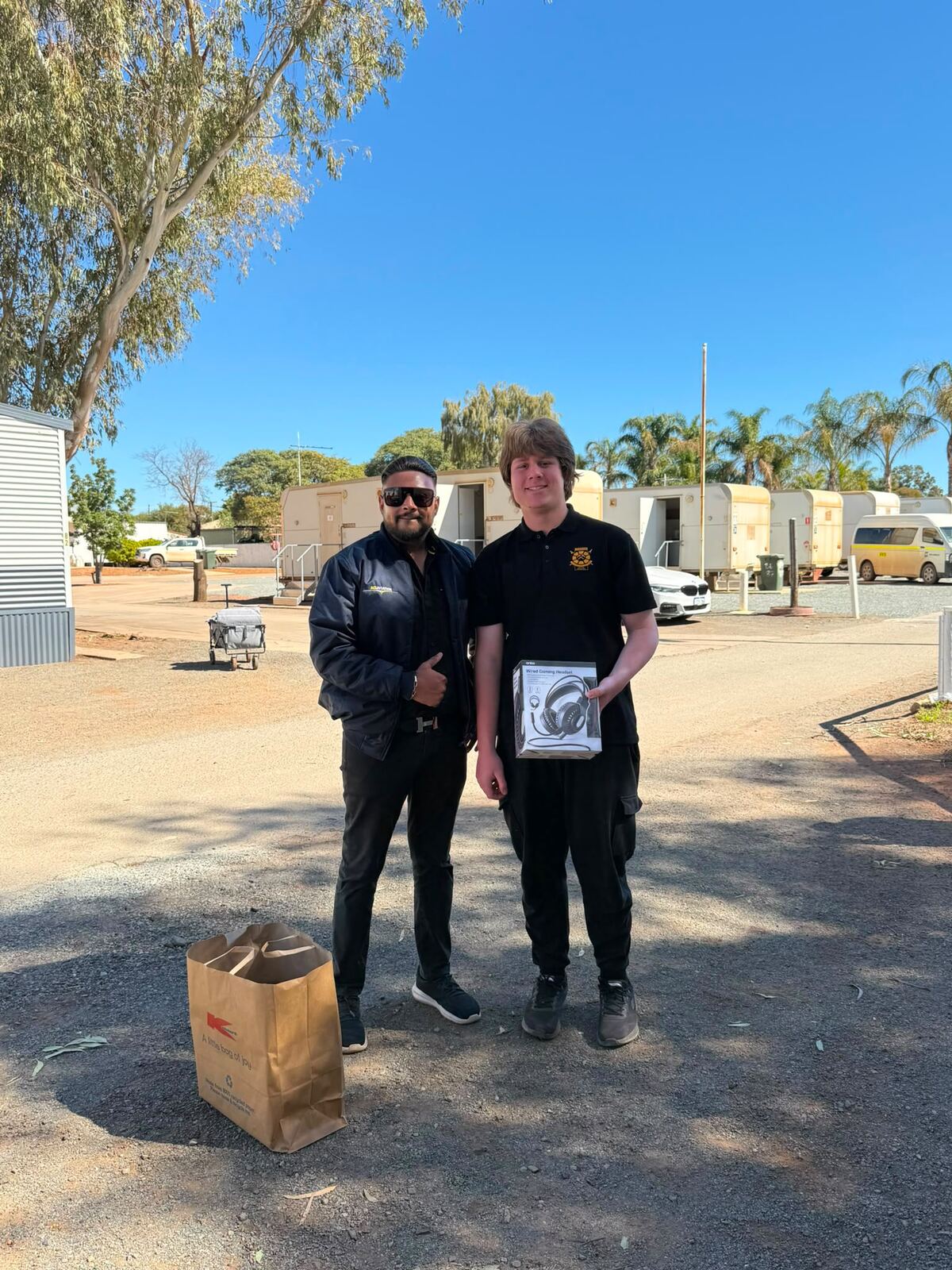
For schools wondering what a program day actually looks like, here is the complete photo set from Leonora District High School. Every photo opens full-size.
Want to bring drones, electronics and future skills to your school? ACE NextLab runs hands-on programs for schools anywhere in Australia — city or bush.
Talk to ACE about your schoolFrequently asked questions
ACE NextLab is ACE Aviation's future-skills and technology arm. It delivers hands-on programs in electronics, phone repair, drones and emerging technology — including the RPAS Engineer pathway — for schools, communities and industry.
Written by the ACE Aviation team — CASA-approved instructors who have trained 4,000+ commercial drone pilots across Australia. Rules change; always confirm current requirements with CASA.
Start your drone career
Train with one of Australia's most experienced drone academies and build a pathway into real commercial operations.